Basketball Hoop Protective Padding: Essential for Safety and Durability

Basketball is an exciting and dynamic sport that involves high-impact actions, rapid movements, and frequent contact with various surfaces. One critical aspect of ensuring the safety of players and the longevity of basketball equipment is the use of basketball hoop protective padding. These pads are designed to protect players from injury and minimize damage to the hoop structure, creating a safer playing environment for both amateur and professional athletes.
What is Basketball Hoop Protective Padding?
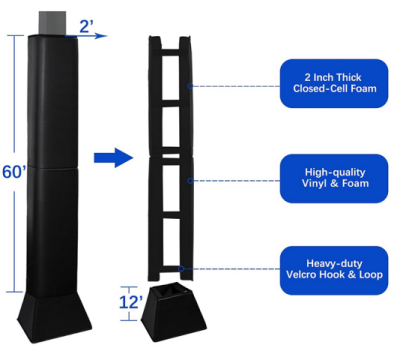
Basketball hoop protective padding is a high-quality foam-based material designed to be attached to the base, pole, or frame of a basketball hoop. These pads act as a protective barrier, cushioning any impact with the hoop’s structure during game play. In addition to reducing the risk of injury, they help prolong the life of the basketball hoop by protecting it from wear and tear caused by frequent use.

Why is Basketball Hoop Protective Padding Important?
Player Safety: The primary function of basketball hoop padding is to provide protection to players, particularly in situations where they might collide with the pole or the base of the hoop. These areas are typically made of metal, which can cause serious injuries without proper padding. The protective padding absorbs the impact and significantly reduces the risk of cuts, bruises, and more severe injuries like concussions or fractures.
Hoop Durability: Regular play can lead to wear and tear on basketball hoops, especially on the metal poles and the base. The constant contact with players and the ball can cause scratches, rust, and deterioration of the materials. By covering vulnerable parts of the hoop with protective padding, the risk of such damage is minimized, which helps extend the life of your basketball equipment.
Aesthetic Appeal: Protective padding is available in a variety of colors, materials, and designs, which can enhance the appearance of your basketball hoop. Whether you are outfitting a school, community center, or professional facility, these pads can complement the overall look of the court while maintaining their functional role.
Key Features of High-Quality Basketball Hoop Protective Padding
When selecting protective padding for your basketball hoop, it’s essential to consider a few key features to ensure maximum protection, durability, and comfort for players. Here’s what you need to know:
1. Thickness of the Padding
The thickness of the protective padding plays a significant role in the level of protection it offers. Typically, the padding ranges from 1 to 2 inches (2.5 to 5 cm) thick, depending on the specific model and the level of impact protection needed. Thicker padding is ideal for more aggressive environments, such as professional basketball courts or areas where players are likely to make more forceful contact with the hoop.
Thicker pads provide better cushioning against high-impact falls, collisions, or accidental bumps. However, thinner pads may be sufficient for less intense environments, such as recreational or home courts. It’s important to balance thickness with practical considerations, like ease of installation and the overall aesthetic appearance.
2. Material Quality
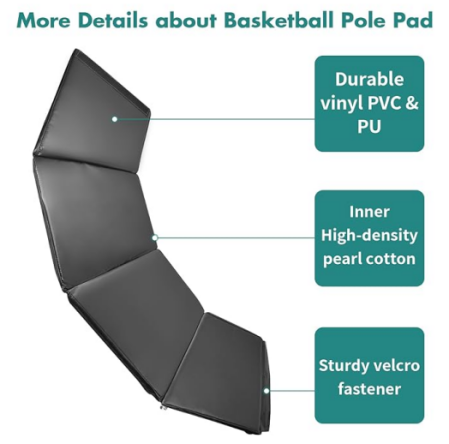
The material used in the protective padding is critical to its durability and performance. High-quality padding is typically made from closed-cell foam or EVA foam. These materials offer excellent shock absorption, are resistant to weather elements, and maintain their shape and performance over time.
Closed-cell foam: This material is dense and durable, with the ability to withstand high levels of impact without losing its shape. It’s ideal for outdoor use, as it is resistant to water, UV rays, and temperature fluctuations.
EVA foam: Ethylene-Vinyl Acetate (EVA) is another popular material for protective padding due to its lightweight nature and ability to absorb shocks effectively. EVA foam is also resistant to cracking, making it a good option for areas with fluctuating temperatures or heavy use.
The outer surface of the padding is often covered with PVC vinyl, which is UV-resistant, easy to clean, and helps protect the foam from moisture and dirt.
3. Easy Installation and Customization
Basketball hoop protective padding should be easy to install and remove for routine maintenance. The pads are typically designed with straps, Velcro, or tie-downs, allowing for quick and secure attachment to the hoop frame.
Additionally, many manufacturers offer customization options, including specific dimensions, colors, and logos. Whether you’re outfitting a school, gym, or professional arena, customized protective padding can enhance your brand’s presence while ensuring players’ safety.
4. Weather Resistance
For outdoor basketball courts, the protective padding must be able to withstand exposure to various weather conditions, including rain, snow, and extreme heat. High-quality outdoor padding is designed with weather-resistant properties, ensuring the material does not degrade over time due to UV exposure or moisture absorption.
5. Impact Resistance
High-quality basketball hoop protective padding is designed to resist compression from repeated impacts. Whether a player crashes into the hoop structure or the ball hits the padding during a fast break, the foam material should be capable of absorbing and dispersing the force to minimize injury. This level of impact resistance is critical for both player safety and the longevity of the equipment.
